

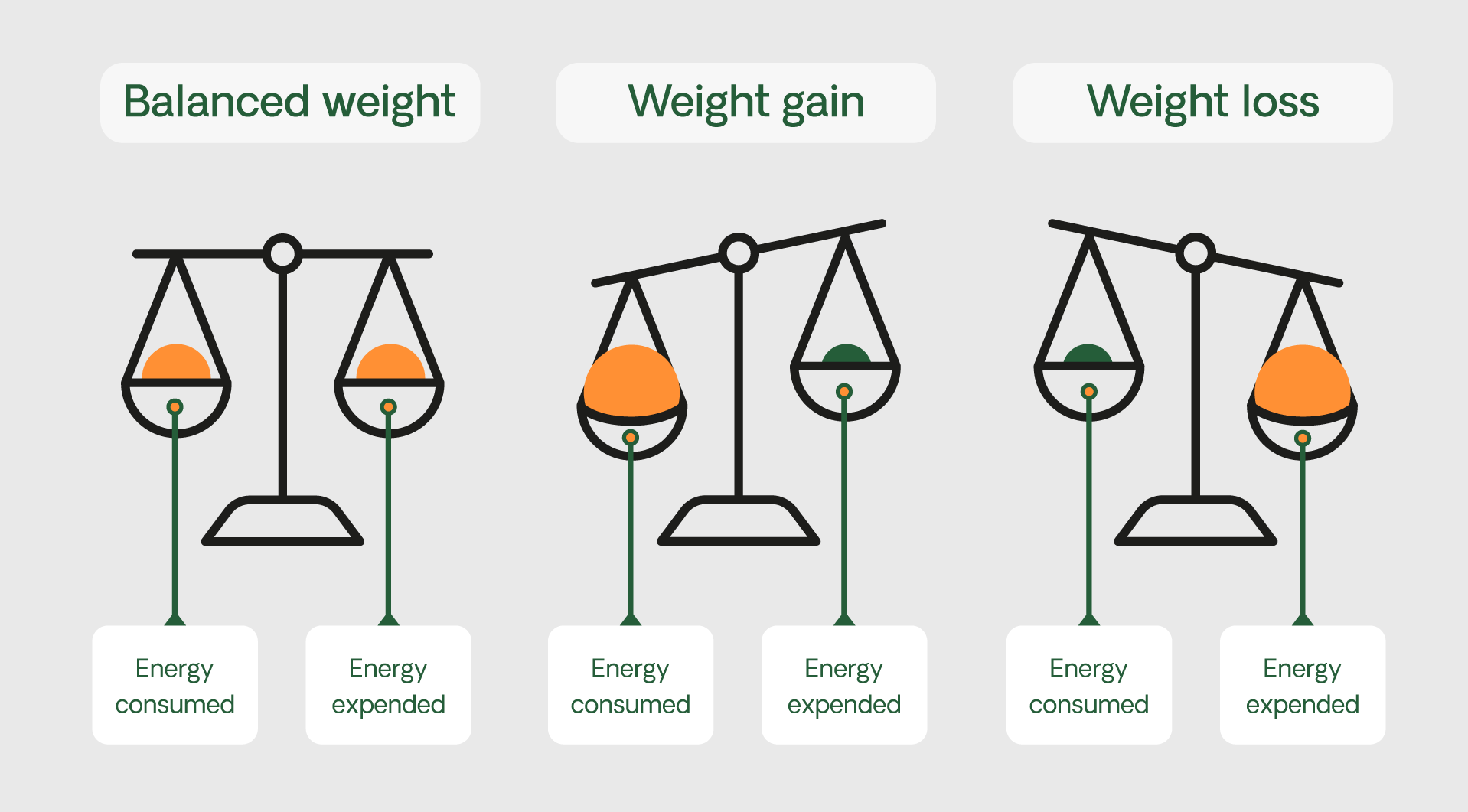
Energy balance is a fundamental concept referring to the balance between the energy we consume through food and drink and the energy we expend through various bodily functions and physical activities. While maintaining this balance is crucial for overall health and weight management, the reality of weight gain and loss is far more complex than simply calories in versus calories out.
Energy Input
A regular supply of dietary energy is essential for life, fueling many body processes, including heart and organ function, temperature maintenance, muscle contraction, and growth. Daily energy needs vary widely due to factors like sex, body size, weight, climate, and physical activity levels.
Energy is derived from the oxidation of macronutrients in food and drink:
- Fat: 9 kcal (37 kJ)/g
Fats are important for long-term energy, cell function, and nutrient absorption. Healthy fats are found in avocados, nuts, seeds, and fish.
- Protein: 4 kcal (17 kJ)/g
Protein is essential for growth, repair, and maintenance of tissues. Sources include meat, dairy, beans, and nuts.
- Carbohydrate: 3.75 kcal (16 kJ)/
Carbohydrates provide quick energy and are found in fruits, vegetables, grains, and legumes.
- Alcohol: 7 kcal (29 kJ) per gram
While not a nutrient, alcohol also provides a significant amount of energy
Energy Output
The body expends energy in several ways, which together contribute to total energy expenditure:
- Basal Metabolic Rate (BMR): The energy used at rest to maintain vital bodily functions such as breathing, circulation, and cell production. BMR accounts for the majority of energy expenditure.
- Thermic Effect of Food (TEF): The energy required to digest, absorb, and metabolise food. Different macronutrients have varying thermic effects, with protein generally requiring more energy to process than fats and carbohydrates.
- Physical Activity: Includes all forms of movement, from structured exercise to daily activities like walking, cleaning, and gardening. This is the most variable component of energy expenditure.
- Non-Exercise Activity Thermogenesis (NEAT): The energy expended for everything we do that is not sleeping, eating, or sports-like exercise. It includes activities like fidgeting, standing, and other non-structured physical activities.
Theoretically
- Energy Intake = Energy Output over time: Weight stays the same
- Energy Intake > Energy Output over time: Weight gain
- Energy Output > Energy Intake over time: Weight loss
The Complexity of Weight Management
While the concept of energy balance provides a useful framework for understanding weight management, it is important to recognize that weight gain and loss have many factors and can be influenced by a range of biological, environmental, and psychological factors.
- Medications: Certain medications can lead to weight gain by altering metabolism, increasing appetite, or causing fluid retention. Examples include antidepressants, antipsychotics, and corticosteroids.
- Chronic Conditions: Conditions such as hypothyroidism, polycystic ovary syndrome (PCOS), and Cushing’s syndrome can affect metabolism and lead to weight gain. Hypothyroidism, for example, slows metabolic processes, making weight gain more likely even with normal food intake.
- Genetics: Genetic factors can influence body weight by affecting metabolism, fat storage, and appetite regulation. Some individuals may be predisposed to obesity due to their genetic makeup.
- Psychological Factors: Emotional stress, depression, and anxiety can lead to changes in eating behaviour, such as emotional eating or binge eating, contributing to weight gain.
- Environmental and Lifestyle Factors: Modern lifestyles often involve sedentary behaviour, high-calorie diets, and insufficient physical activity, all of which can contribute to weight gain. Additionally, lack of sleep and high stress levels can disrupt metabolic processes and lead to weight gain.
Achieving a Healthy Balance
Given the complexity of weight management, a holistic approach is necessary. Here are some strategies:
Achieving a Healthy Balance
Given the complexity of weight management, a holistic approach is necessary. Here are some strategies:
- Quality of Food: Focus on nutrient-dense foods that provide essential vitamins and minerals along with energy. Incorporate a balance of healthy fats, proteins, and carbohydrates in your diet.
For example: Plan your meals around whole foods like vegetables, fruits, lean proteins, and healthy fats. Prepare healthy snacks in advance to avoid the temptation.
- Movement: Aim to integrate more movement into your routine, such as walking or cycling instead of driving, and taking stairs instead of elevators.
For example: Set a goal to walk 10,000 steps a day. Use a pedometer or smartphone app to track your steps and find opportunities to walk more, like parking further away or taking a stroll during lunch breaks.
- Adequate Sleep: Ensure you get enough sleep, as rest is crucial for energy balance and overall health.
For example: Establish a regular sleep schedule by going to bed and waking up at the same time each day, even on weekends. Create a bedtime routine to wind down, such as reading or taking a warm bath.
- Stress Management: Manage stress through techniques like mindfulness, meditation, or yoga, as chronic stress can affect energy balance and metabolism.
For example: Dedicate 10-15 minutes each day to practise deep breathing exercises or meditation. Apps like Headspace or Calm can guide you through these practices.
- Medical and Psychological Support: Seek professional help for managing chronic conditions, medication side effects, and psychological factors that may impact weight.
The Bottom Line
Energy balance is a dynamic and complex interplay of various factors, not merely a simple equation of calories in and out. By understanding and managing the components of energy intake and expenditure, individuals can make informed choices that enhance their health and well-being. As dietitians and health professionals, our role is to support and guide patients in making sustainable lifestyle changes, helping them achieve their weight management goals and improve their overall quality of life.
References
National Institute of Health (NIH). (n.d.). Energy balance and weight management. Retrieved from https://www.ncbi.nlm.nih.gov/books/NBK348719/
Centers for Disease Control and Prevention (CDC). (n.d.). Healthy weight: Finding a balance. Retrieved from https://www.cdc.gov/healthyweight/calories/index.html
World Health Organization (WHO). (n.d.). Obesity and overweight. Retrieved from https://www.who.int/news-room/fact-sheets/detail/obesity-and-overweight
Harvard T.H. Chan School of Public Health. (n.d.). The nutrition source: Energy balance. Retrieved from https://www.hsph.harvard.edu/nutritionsource/healthy-weight/energy-balance/
Hill, J. O., & Peters, J. C. (2015). Energy balance and body weight. American Journal of Clinical Nutrition, 101(6), 1400S-1406S. Retrieved from https://academic.oup.com/ajcn/article/101/6/1400S/4564562