

Summary
How to Master Your Health and Nutrition- the quick tips to start mastering your own optimum nutrition.
What does Optimum Nutrition Mean? – how nutrition is the key to long term success unique to you.
What does Optimum Nutrition Look Like? – how to identify the markers of a good diet for you.
How to Master Your Health and Nutrition
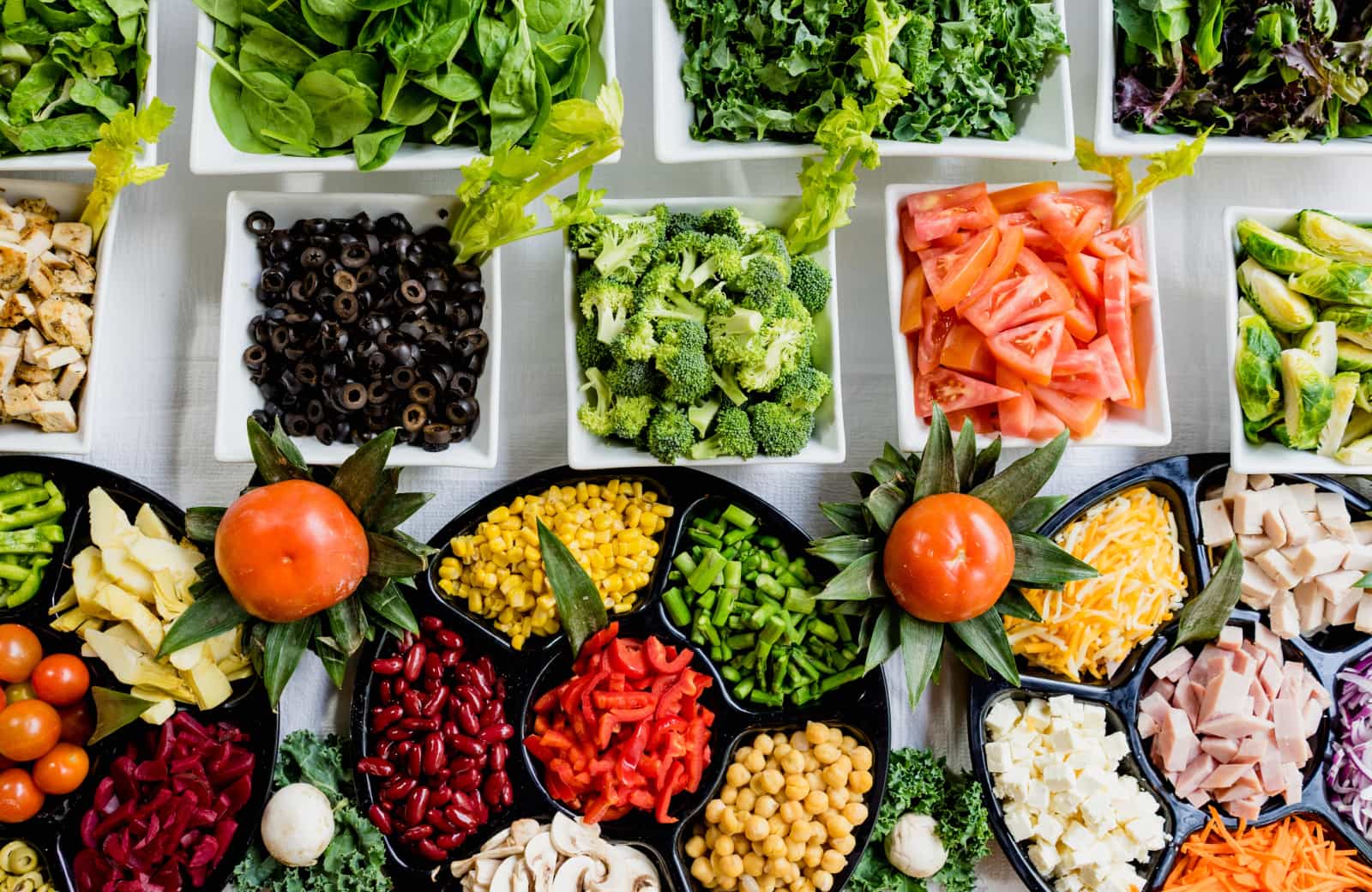
Think balance – with renu we prioritise you having the diet that suits you and promotes a healthy lifestyle. This means we don’t want you focusing on restriction or what you can’t have but instead coming to the understanding of how you can include all your favourites in a healthy and sustainable way.
Think protein – with all the change your body will be going through in this journey, it will need the fuel and the materials to help it build itself into what you want to be. For that you will need protein such as meat, eggs, lentils, legumes, nuts, seeds, and many, many more.
Think complex carbs – the main fuel for your body and your journey. To help you keep going, to keep your mood and commitment high, and to achieve the health and body you desire, complex carbohydrates are the best tool for the job. Look for them in fruits, vegetables, legumes, oats, and whole grain bread, pasta or rice
What Does Optimum Nutrition Mean?
The increase in health and fitness influencers in the past few years has made it difficult to determine optimum nutrition as an individual. The endless list of diets including vegan, ketogenic, carnivore, pescatarian, OMAD and basic caloric restriction protocols makes it impossible to know what is right for you.
What do you do if you are constantly bombarded with the ‘ground-breaking’ benefits of all these different diets and are also exposed to proponents of each diet bashing one another?
The truth is that no single diet is necessarily good or bad (within reason). The key aspect of attaining optimum nutrition is that whatever dietary protocol you pick, it works for you. It is vital that instead of dipping your toe in the latest diet trends, you follow your own sustainable, enjoyable yet impactful path to good health.
That is, following a diet and losing weight is the first hurdle, and maintaining your amazing progress is the second, often larger hurdle.
Optimum nutrition is finding what works for you in line with some basic dietary guidelines that will be presented in this article.
What Does Optimum Nutrition Look Like?
The most important word when it comes to nutrition is balance. That applies to the balance of nutrients you need, but also refers to the idea that certain foods and drinks are fine in moderation. You do not need to be heavily restrictive to achieve optimum nutrition – the odd treat is perfectly fine. This may actually make your diet more sustainable!
Balanced nutrition – what does it mean? There are various nutrients that will make up such a diet and when constructing a plate, you should try to have a balance of these.
Firstly, the macronutrients you need are fats, protein and carbohydrates and while each of these are important, where you get each from matters the most.
Fats and carbohydrates are your main sources of energy, and it is vital to get these from the right places. For fats, fatty fish such as salmon, cod and tuna are an excellent source and are high in a particularly healthy fatty acid called omega-3. Avocados, eggs, nuts, seeds and Greek yogurt are also fantastic sources of healthy fats. There are many options and together, they can be made into endless plates of delicious food.
Carbohydrates can also be used by your cells as energy after they have been converted to sugars by your digestive system. When building a healthy plate, it is beneficial to replace simple sugars with complex carbohydrates. The main difference between these is that simple sugars spike your blood glucose levels rapidly, while complex carbohydrates are digested and utilised more slowly.
Therefore, your plate should contain more complex carbohydrates that often come with fibre – this is amazing for your blood glucose regulation too. So, instead of sugary cereal and baked goods, opt for fruits, vegetables, legumes, oats, and whole grain bread, pasta or rice.
Finally, protein is the king of the macronutrients. Not only does it maintain and build your muscles, but it is very filling and can naturally curb your hunger and cravings. Nowadays, there are plenty of meat- and plant-based protein sources that will suit your individual needs.
As a result of eating balanced plates of food, you will also be getting vital micronutrients – these are vitamins and minerals. A balanced diet will include both fat soluble (A, D, E and K) and water-soluble (B and C) vitamins. In addition, it will give you all the key minerals you need such as iron, zinc, sodium, calcium, potassium, magnesium and so much more! Both vitamins and minerals are essential for the health of your bodily systems , such as your immune, cardiovascular, nervous, digestive and musculoskeletal systems.
Sources
Author
Clinically reviewed by Laura Perez